

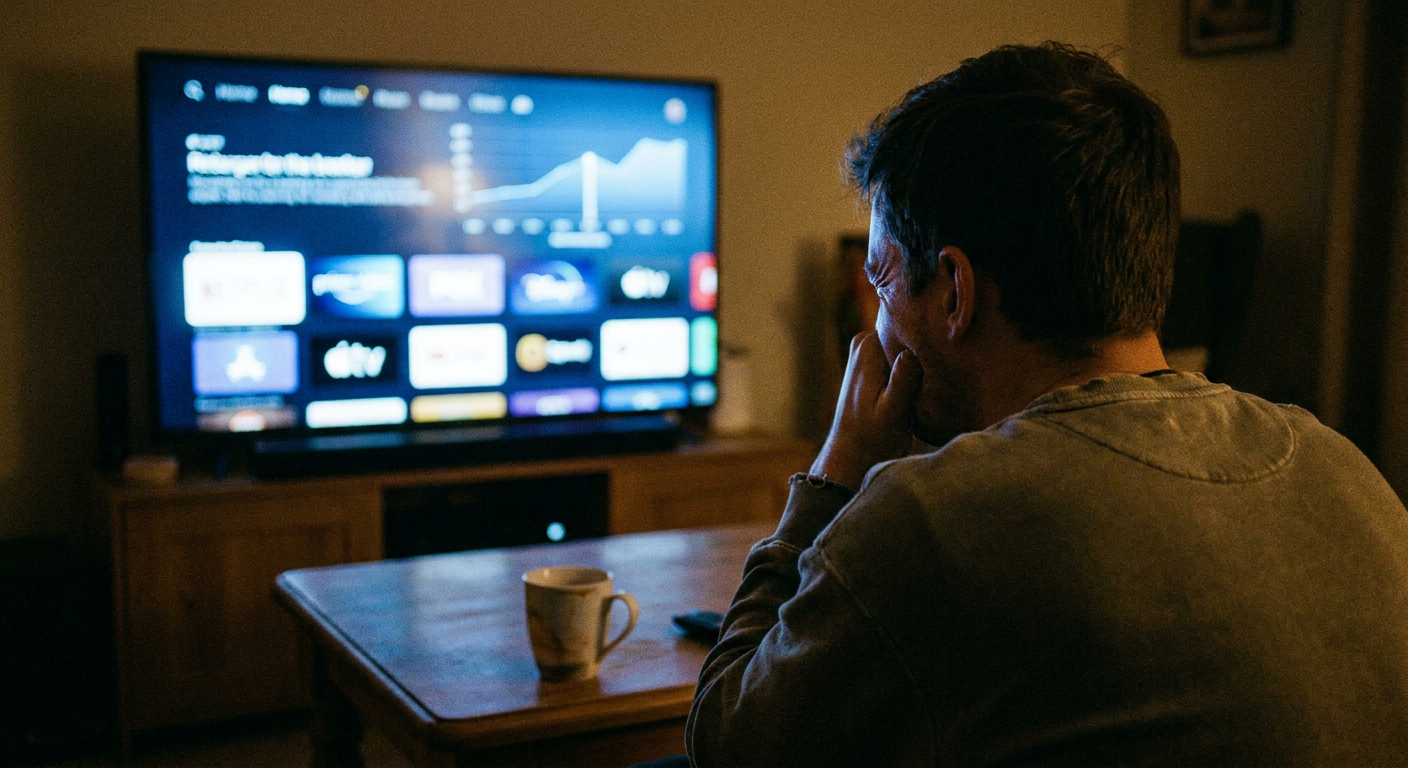
You cut the cord to finally escape cable, embracing the freedom of streaming. Yet, somehow, your monthly bill now feels like it's creeping right back up to those old cable levels.
What started as a smart move to save money has become a frustrating, piecemeal expense, one that's far harder to track than your favorite show's next season.
This isn't just your imagination, either; streaming platforms have steadily increased subscription prices by an average of 9% each year. The real issue isn't that streaming is inherently expensive, but that our approach to managing it simply hasn't kept pace with the industry's rapid evolution.
This guide will help you understand the actual reasons your streaming costs are spiraling, pinpoint where your own spending habits might be going awry, and then give you practical steps to take back control of your entertainment budget.
Why Your Streaming Bill Keeps Growing: An Escalating Problem
If it feels like your streaming budget is constantly under pressure, you're not wrong. That slow but steady climb in subscription costs is a deliberate industry trend.
A single service raising its price by just a dollar or two might seem minor, but when you subscribe to multiple platforms, these small hikes create significant financial creep over the course of a year.
The average viewer now pays for four different services. With each one independently adjusting its rates, your total monthly outlay can quickly balloon even if you haven't made a single change yourself.
This slow inflation is the primary reason why a streaming setup that felt perfectly affordable two years ago now seems unsustainably expensive.

Are You Falling for the "Just One More Service" Trap?
Beyond those industry-wide price hikes, our own habits often accelerate spending. The promise of "just one more service", whether to catch a new exclusive series or to finally get rid of ads, is a powerful lure.
The problem, of course, is that these small additions accumulate. It's time to diagnose which of these common traps are truly contributing to your bill.
- Content Chasing: This happens when you sign up for a service just to watch a single, highly anticipated show. Once the season ends, you forget to cancel, and the subscription continues billing you for months.
- The Ad-Free Upgrade: You get tired of interruptions and upgrade to an ad-free plan. While it certainly improves the viewing experience, it can add a significant cost. For instance, the difference between Netflix's ad-supported and ad-free tiers is a steep $11 per month.
- Subscription Stacking: You keep adding new services without ever auditing or removing old ones. Over time, you end up paying for overlapping content or platforms you barely use.
- Trial Offer Amnesia: You sign up for a free trial and then simply forget to cancel it before the first charge hits your credit card, unintentionally adding another recurring expense.
If any of these sound familiar, you've likely found a key reason your bill is growing. Recognizing the pattern is the first step toward building a more intentional and cost-effective streaming strategy, and you can find more guidance in our top reads on TV & streaming.
To Bundle or Not to Bundle: A Streaming Service Price Comparison Dilemma
One of the most common strategies for trying to manage streaming costs is bundling. It's an appealing concept: combine several services under one bill for a discounted price.
In fact, about 30% of streaming subscribers opt for bundles to simplify payments and access savings. This can be a great move if the bundle includes services you already use and genuinely want.
However, bundling isn't a universal solution for everyone. The risk is that you end up paying for services you don't actually need, just because they're part of a package deal.
If a bundle saves you $5 a month but includes a service you'll never watch, you haven't really saved money at all. The decision to bundle requires a careful look at your actual viewing habits.
Before committing, compare the bundle's cost to the price of subscribing only to the services you truly value. For a deeper analysis, you can explore if a streaming service bundle is right for you in 2026.
Sometimes, a more flexible, à la carte approach turns out to be the more frugal choice.

Three Questions to Ask Before Deciding on a Streaming Strategy
To build a plan that truly works for you, you need to move from passively accepting costs to actively curating your subscriptions. Answering these three questions will give you the clarity needed to cut your bill without losing the content you love.
1. What do I actually watch on each service? Go through your subscriptions one by one and be honest about how often you use them.
If you're paying for a service just for one or two shows, could you subscribe for a single month, binge them, and then cancel? This audit separates the "must-haves" from the "nice-to-haves."
2. Can I tolerate ads to save money? Many services now offer cheaper, ad-supported tiers that can cut your monthly cost significantly.
In 2026, services like Peacock, Paramount+, and Netflix all have plans available for under $8.99. If you primarily watch during off-hours or don't mind a few commercial breaks, switching to an ad-supported plan is one of the easiest ways to save.
For more options, check out this streaming services comparison chart for a full breakdown.
3. Am I willing to rotate my subscriptions? Instead of subscribing to every service year-round, consider a rotation strategy.
Keep one or two core services and cycle through others based on when their must-watch shows are released. A strategic three-service rotation can cost as little as $18-20 per month, offering massive savings compared to stacking five or more services simultaneously.
What to Watch Out For: Ongoing Challenges in Streaming Costs
Even with a perfect strategy, managing your streaming bill is an ongoing process, not a one-time fix. The industry is designed to pull you back into higher spending.
Services are in a constant battle for your attention and wallet, and they have a strong financial incentive to keep pushing prices higher.
Analysts note that platforms will likely continue raising prices until they see a significant drop in subscribers as a direct result. According to one media analyst, "Until we see net adds stall or decline as a result of price hikes, [streaming] services have no incentive to stop raising prices." This means you can expect price increases to be a regular occurrence.
The endless pipeline of exclusive "must-see" content is also a permanent challenge, constantly designed to trigger your fear of missing out and convince you to add "just one more" subscription back to your bill.
Knowing When You've Mastered Your Streaming Service Price Comparison
So how do you know your new strategy is working? The most obvious sign is a lower, more predictable monthly bill.
You'll no longer be surprised by creeping costs because you are firmly in control, making active decisions about what you pay for. Instead of feeling overwhelmed by choice, you'll have a curated library of content that truly reflects what you actually watch.
Ultimately, success means you've shifted from being a reactive consumer to a proactive manager of your entertainment budget. You'll join the ranks of savvy viewers who manage their spending wisely, avoiding the frustration that leads 41% of consumers to cancel subscriptions due to cost.
Your streaming setup will finally deliver on its original promise: better content, more flexibility, and real savings.