

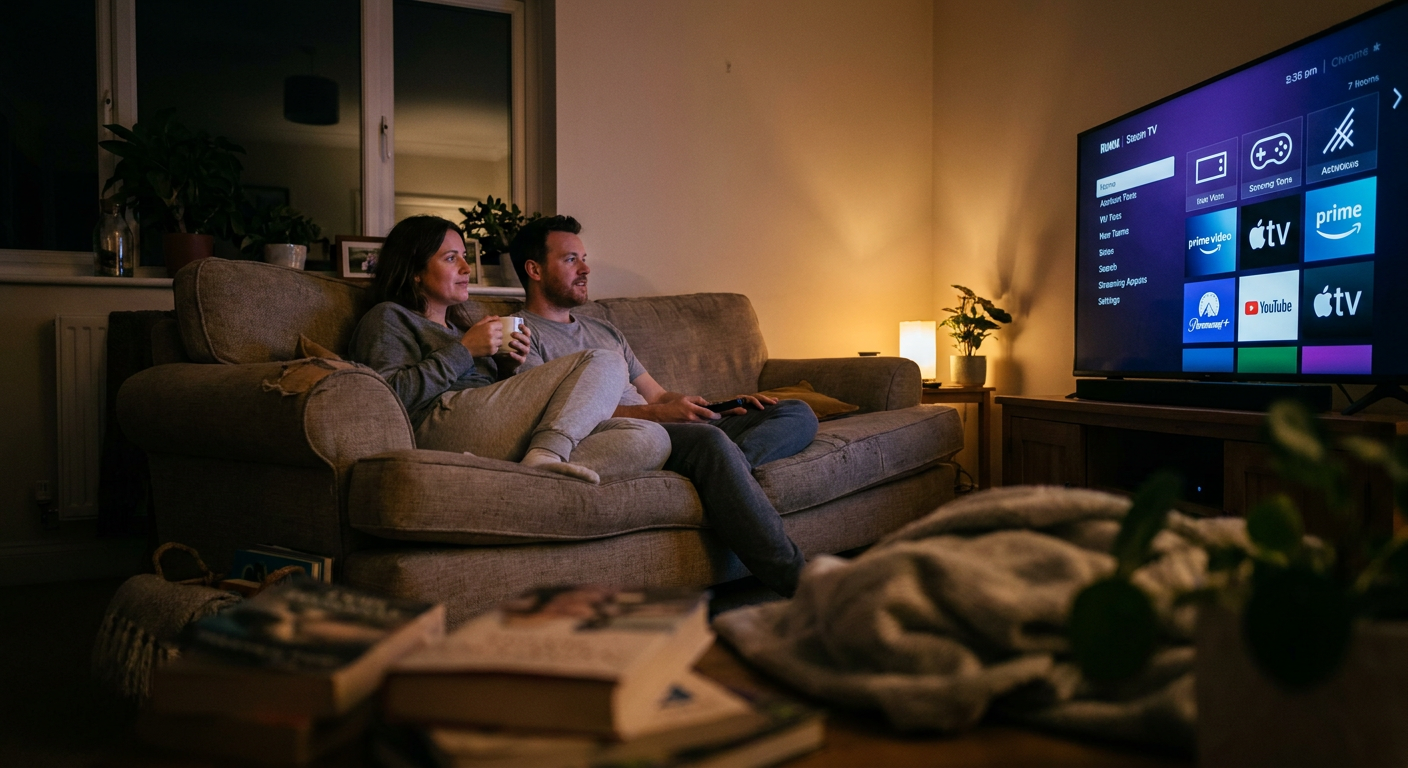
The monthly bank statement flashes a familiar sight: charges for Netflix, Hulu, Max, Peacock, and more. That old dream of saving money by cutting the cord?
It feels like a distant memory.
You might be tempted to hunt for a single, cheaper alternative to Netflix that can solve everything, but that approach belongs to a streaming landscape that no longer exists. With costs constantly rising, it's hardly a surprise that more than half of Americans plan to cut subscriptions in 2026.
The real challenge isn't about finding a single service to replace Netflix. It's about accepting that the era of one dominant, all-encompassing streaming library is fundamentally over.
This article will help you navigate this new reality. We'll explain why the "one-stop-shop" mindset is outdated, guide you in defining a modern streaming strategy, and provide a clear framework for building a personalized and cost-effective entertainment setup.
Why We Hunt for the Next Netflix
It's completely understandable why we're still looking for a singular Netflix replacement. For years, Netflix didn't just offer streaming; it defined the entire experience.
It felt like the digital version of a video store, with a seemingly endless library that truly had something for everyone. This created a powerful expectation: that one subscription, for one reasonable price, should be all you need.
That idea became deeply ingrained in how we think about streaming value. We naturally look for a simple, direct swap because managing a dozen different apps feels like a chore.
The truth, though, is that many households are already juggling multiple services and feeling the financial pinch. A 2026 survey found that over 35% of people now spend more than $60 each month on streaming, making it clear that the single-service dream is clashing with a multi-subscription reality.

The Reality of Content Fragmentation and Rising Costs
This belief in a single Netflix replacement quickly falls apart when you take an honest look at the current streaming market. Content is now highly fragmented, with every major studio pulling back its movies and shows to launch its own platform.
That blockbuster you watched on Netflix last year? It's probably exclusive to Peacock or Paramount+ now.
That acclaimed series you loved? You'll only find it on Max.
This shift means you have to subscribe to multiple services to watch the things you love, a trend we call "bundle creep." While each individual subscription might seem modest, the costs add up fast. Projections suggest that if prices continue on their current path, the average streaming bill could top $120 per month by 2028.
That makes it more expensive than the premium cable packages many of us tried to escape.
Even Netflix itself is changing. The service is no longer just about prestige originals and a vast licensed library.
By 2026, Netflix has been diversifying its portfolio to include live sports, podcasts, and social media-style content. It's evolving from a single-purpose movie-and-TV hub into a broader engagement platform, signaling that its old identity, and the one we're trying to replace, is a thing of the past.
What is the Best Streaming Strategy for Your Budget in 2026?
Given this landscape, the best streaming strategy in 2026 isn't about finding a single winner. Instead, it's about building a flexible and personalized "stack" of services that meets your specific needs without overpaying.
This approach trades the simplicity of one subscription for the greater value and control you get from a carefully curated collection.
Think of it this way: instead of paying for a large bundle full of channels you never watch, you build your own. This might involve combining one "core" service you use year-round with one or two "flex" services that you subscribe to for a month or two to binge a specific show, then cancel.
This "subscribe-as-needed" model is almost always more cost-effective than pre-packaged bundles. According to analysis, a streaming bundle is only cheaper if you use every service it contains; otherwise, à la carte subscriptions are the smarter financial choice.
This approach does require a bit more management, but the savings can be significant.

Building Your Smarter Streaming Stack
Creating a cost-effective streaming stack is a deliberate process, but it's simpler than it sounds. It's about becoming an active consumer rather than a passive subscriber.
Here's a step-by-step approach to building a setup that genuinely works for you.
To visualize how these services fit together, you can categorize them based on their role in your stack.
| Stack Component | Role in Your Strategy | Example Services |
|---|---|---|
| Core Service | Your primary, year-round subscription with content you can't miss. | Netflix, Disney+, Hulu |
| Flex Service | Subscribed to for short periods to watch specific shows or seasons. | Max, Apple TV+, Peacock |
| Live TV Service | For news, sports, and live events; often the most expensive. | YouTube TV, Fubo, Sling TV |
| Free Service | Ad-supported options to supplement your paid subscriptions. | Tubi, Pluto TV, Freevee |
This table helps illustrate the different jobs services can perform. Your goal is to choose one or two core services and rotate the others as needed.
The key is to avoid paying for overlap or for services that just sit there unused.
Here are the practical steps to build your stack:
- Audit Your Viewing: For one month, track what your household actually watches. Which apps do you open daily? Which ones haven't you touched? Be honest about what’s truly essential.
- Identify Your "Core" Service: Based on your audit, pick the one service you can't live without. This is often the service with the most "must-watch" shows or your go-to for daily viewing.
- Choose Your "Flex" Services: Identify the services you only need for a specific show (like The Last of Us on Max or Ted Lasso on Apple TV+). Plan to subscribe for a month, watch what you want, and then cancel the service without guilt.
- Find Free, Ad-Supported TV (FAST): Services like Tubi, Pluto TV, and Freevee offer huge libraries of movies and older TV shows for free. Use them to fill content gaps without adding to your monthly bill.
By actively managing your subscriptions this way, you take control of your streaming budget and ensure you're only paying for what you truly value.
Netflix Alternatives: Finding Your Core and Flex Options
With a stack-based strategy, "Netflix alternatives" aren't direct replacements; rather, they're potential core or flex services. The right choice depends entirely on your priorities: do you want prestige drama, family content, live sports, or the biggest overall library?
In 2026, one of the most popular options has been the Disney Bundle, which tied for America's favorite service.
Here's how Netflix compares to other leading services that could anchor or supplement your streaming stack. You can also use a dedicated tool to compare TV services based on your specific channel and feature needs.
| Service | Price (Ad-Free) | Content Strength | Best For |
|---|---|---|---|
| Netflix | ~$22.99/mo | Original series & films, international content | Binge-watchers who value variety and new releases. |
| Disney Bundle | ~$24.99/mo | Family content, huge back catalog, live sports (ESPN+) | Households that want something for everyone. |
| Max | ~$19.99/mo | HBO originals, Warner Bros. films, Discovery library | Viewers seeking premium, critically-acclaimed dramas. |
| Peacock | ~$11.99/mo | Live sports (NFL, Olympics), NBC/Universal library | Budget-conscious viewers and sports fans. |
| Apple TV+ | ~$9.99/mo | High-production, star-driven original shows. | Quality over quantity and users in the Apple ecosystem. |
Deciding between these comes down to your viewing habits. A deeper look at finding the best Netflix alternatives can help you weigh more options.
Choose Netflix if… you want a deep library of original content and a constant stream of new movies and shows from around the world. Choose the Disney Bundle if… you need a comprehensive solution for a family with diverse tastes, combining kid-friendly content, adult dramas, and sports. Choose Max if… your priority is high-quality, award-winning programming from HBO and an extensive movie library from Warner Bros. Choose Peacock if… you are a sports fan looking for Premier League and NFL games or want access to next-day NBC shows at a lower price point.
What to Watch Out For
Adopting a flexible, multi-service streaming strategy is powerful, but it does come with its own set of challenges. The biggest one is the management overhead.
Juggling different logins, billing dates, and cancellation reminders requires more active participation than simply letting subscriptions auto-renew.
Content availability can also be a source of frustration. A show available on one service this month might move to another the next, forcing you to adjust your "flex" subscription plans.
This constant churn is a core part of the streaming business model, designed specifically to keep you hopping between platforms.
Finally, even with a careful strategy, it's easy for costs to creep back up if you're not vigilant. Forgetting to cancel a flex subscription or getting tempted by a new service can quickly erode your savings.
Ultimately, this active management is the price of control in the modern streaming era.